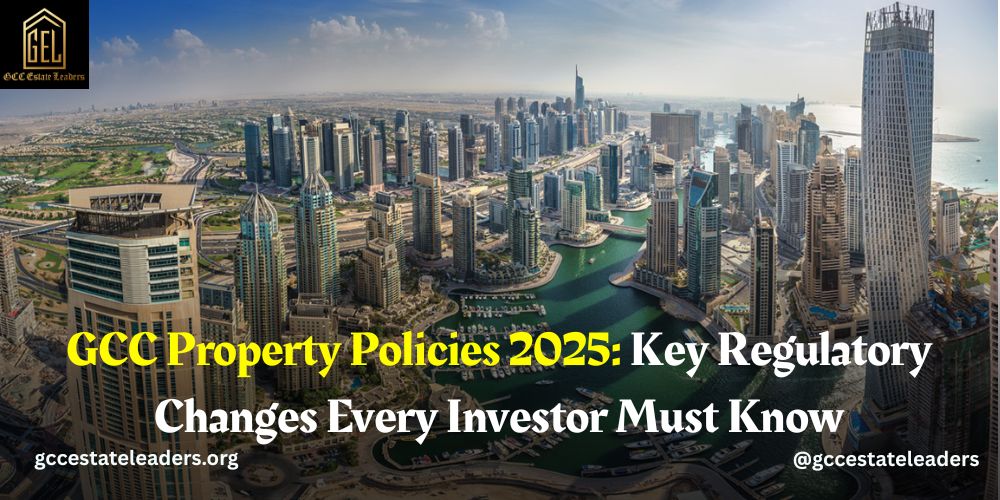
The GCC real estate market is evolving rapidly, and 2025 promises to bring several key regulatory changes that every investor should understand before entering the market. Whether you are a seasoned property investor or a first-time buyer, staying updated with these policy shifts is crucial to maximizing returns and avoiding potential pitfalls. In this article, we break down the latest GCC property policies and explain their impact on investors.
Streamlined Property Ownership Rules
Across the GCC, governments are implementing simplified ownership regulations to attract both local and foreign investors. Countries like the UAE have long permitted freehold ownership in designated areas, but recent reforms have made property registration and transfer processes faster and more transparent.
For example, expatriates looking to buy property in Dubai can now follow the structured guidelines outlined in our comprehensive guide for buying property in Dubai for expats, ensuring compliance and smooth transactions.
Off-Plan Property Regulations
Off-plan properties remain a popular investment across GCC markets. However, 2025 brings stricter developer accountability and escrow requirements to protect buyers. These regulations aim to ensure:
-
Timely project delivery
-
Transparent payment schedules
-
Reduced risk of project delays or cancellations
Investors should carefully review developer credibility and contracts before purchasing. For a detailed step-by-step approach, see how to buy off-plan property safely in the UAE.
Enhanced Transparency in Property Costs
Governments are increasing transparency around property costs, including fees, taxes, and service charges. These changes help investors:
-
Plan budgets accurately
-
Avoid hidden charges
-
Make informed investment decisions
Our full cost of buying property in Dubai guide is an excellent resource for understanding all associated expenses, from registration to maintenance fees.
Incentives for Long-Term Investments
Several GCC countries are introducing incentives to encourage long-term property investment, such as:
-
Reduced property registration fees for multi-year investors
-
Flexible mortgage terms for expatriates
-
Residency benefits linked to property ownership
These incentives not only make investing easier but also help attract a wider pool of international buyers, boosting overall market stability.
Focus on Affordable and Sustainable Housing
GCC governments are increasingly prioritizing affordable and sustainable housing projects. Investors are encouraged to consider properties that align with:
-
Environmental sustainability
-
Energy efficiency
-
Community development
These trends mirror broader GCC real estate market patterns, where affordability is balancing luxury, as explored in our beginner’s guide to investing in GCC real estate 2025.
Legal Compliance and Due Diligence
With new policies in place, due diligence has become more critical than ever. Investors should:
-
Verify property ownership and registration documents
-
Ensure compliance with updated zoning and building regulations
-
Seek professional advice for cross-border investments
Understanding local laws and government updates minimizes risk and protects investment capital in both established and emerging GCC markets.
How These Changes Impact Investors
The 2025 policy updates reflect a shift towards market transparency, investor protection, and sustainable growth. For investors, this means:
-
Reduced legal and financial risks
-
Easier access to property ownership
-
Increased confidence in both luxury and affordable segments
By staying informed and leveraging these regulatory improvements, investors can maximize their returns while contributing to a more robust real estate ecosystem in the GCC.
Conclusion
GCC property policies in 2025 are designed to create a safer, more transparent, and investor-friendly market. From off-plan regulations to incentives for long-term ownership, staying updated with these changes is essential for anyone considering property investment in the region.
By combining market knowledge, due diligence, and professional guidance, investors can navigate regulatory shifts confidently and make smart investment decisions across GCC countries.
For more such articles, please follow us on LinkedIn and Instagram & Facebook